
Can’t decide between Dairy Cows and Powder Oranges? This isopod species comparison tool lets you pick any two isopod species below to compare size, care needs and breeding speed side by side.
Pick any two isopod species to compare side by side — adult size, care difficulty, humidity and temperature needs, activity, breeding speed and price. Green highlights mark the easier beginner pick where one is clearly simpler, cheaper or faster-breeding. Care needs are typical ranges; individual morphs and locales can vary.
How to use your isopod species comparison results
Scan the highlighted differences to see where the two species diverge. If one needs much higher humidity or breeds far faster than the other, that’s usually the deciding factor for your setup.
Keep in mind that every value shown is a typical range — exact size, humidity needs and breeding speed can vary between colonies, bloodlines and your local temperature and ventilation.
Not sure where to start? Use our Species Finder to match species to your experience level and setup, then come back here to compare your top picks. You can also read our beginner species guide for more detail on hardy starter species.
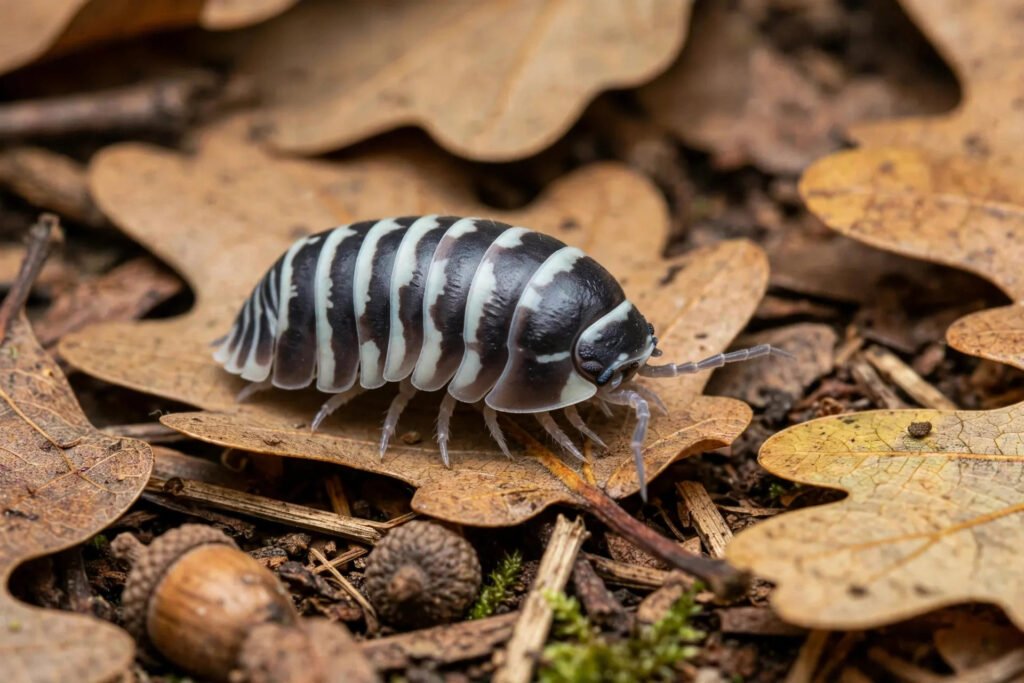
For background on the animals themselves, see the woodlouse overview on Wikipedia.
What to look for when comparing species
Size matters more than most beginners expect. Tiny species like dwarf whites disappear into the substrate and suit bioactive clean-up crews, while chunky Porcellio species such as Dairy Cows are easier to handle
and count. Match adult size to your enclosure and to how closely you want to observe your colony.
Humidity and temperature ranges decide whether a species will thrive in your home without extra equipment. Tropical species need consistently moist substrate and steady warmth, while temperate species tolerate drier, cooler setups. Choose species whose ranges overlap with conditions you can reliably provide year-round.