
Answer three quick questions about your experience, setup humidity and goals — we’ll match you with the perfect isopod species to start (or expand) your collection.
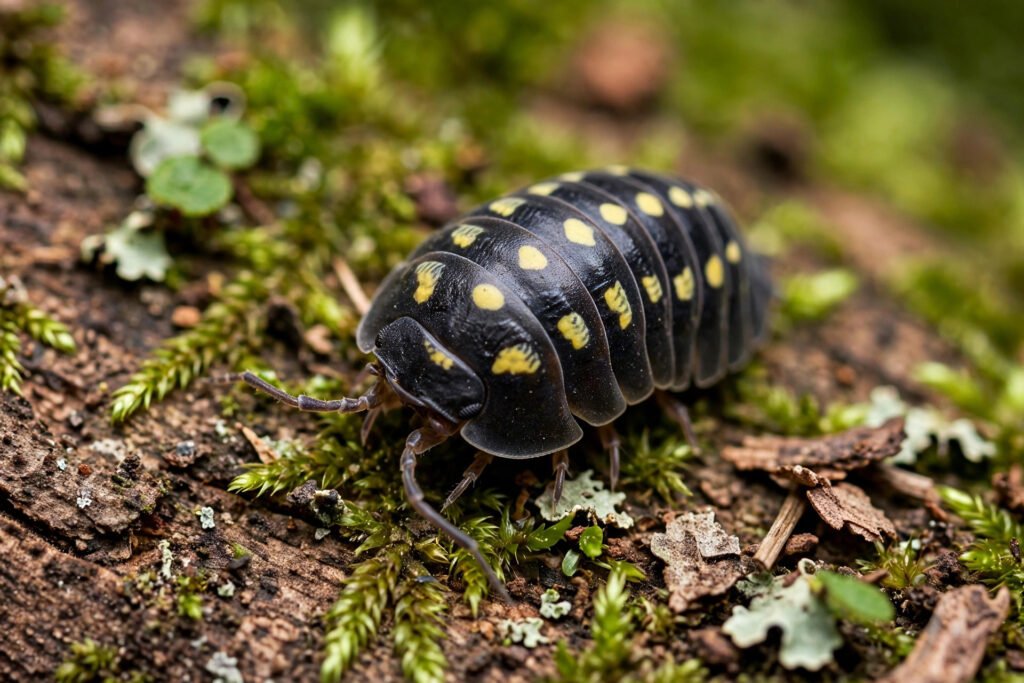
New to isopods? The woodlouse overview on Wikipedia explains the basics of these terrestrial crustaceans.
How to choose the best isopod species for you
Picking the best isopod species depends on three things: your experience, the humidity you can maintain, and your goal — display pets, cleanup crew, or breeding project. Answer the three questions and the finder scores 10 popular species to show your top three matches with percentages, so you see why each fits.
Our picks for the best isopod species
Beginners can't go wrong with Powder Orange or Dairy Cows — the best isopod species to learn with: cheap, hardy, fast-breeding. Zebras and A. vulgare are fantastic display pets. Clown isopods and Panda Kings suit intermediate keepers; Rubber Duckies are best once you hold tropical humidity steady. Start any species with 10–12 animals minimum.
Species Finder FAQs
What is the easiest species for beginners? For example, Powder Orange and Dairy Cows are the easiest to start with. In addition, they are affordable, hardy, and breed quickly, so you will learn the basics without frustration.
Which species works best as a cleanup crew? Dwarf Whites and Dairy Cows excel in bioactive setups. However, you should match the species to your humidity levels for the best results.
How many isopods should I start with? Begin with 10–12 animals minimum. As a result, you will establish a healthy breeding population. Moreover, larger starter cultures adapt faster and produce offspring sooner.
Can I keep different isopod species together? It is not recommended. For instance, faster-breeding species may outcompete slower ones. Therefore, keep each species in its own enclosure for the best outcome.
What if I want a display species? Zebras and Clown isopods are stunning. On the other hand, they need more stable conditions. First, master an easy species; then try intermediates.
Where can I learn more? Check our Powder Orange Care Guide for a detailed species profile. For the full set of free tools, visit the Isopod Tools page.