 Isopod Care Hub
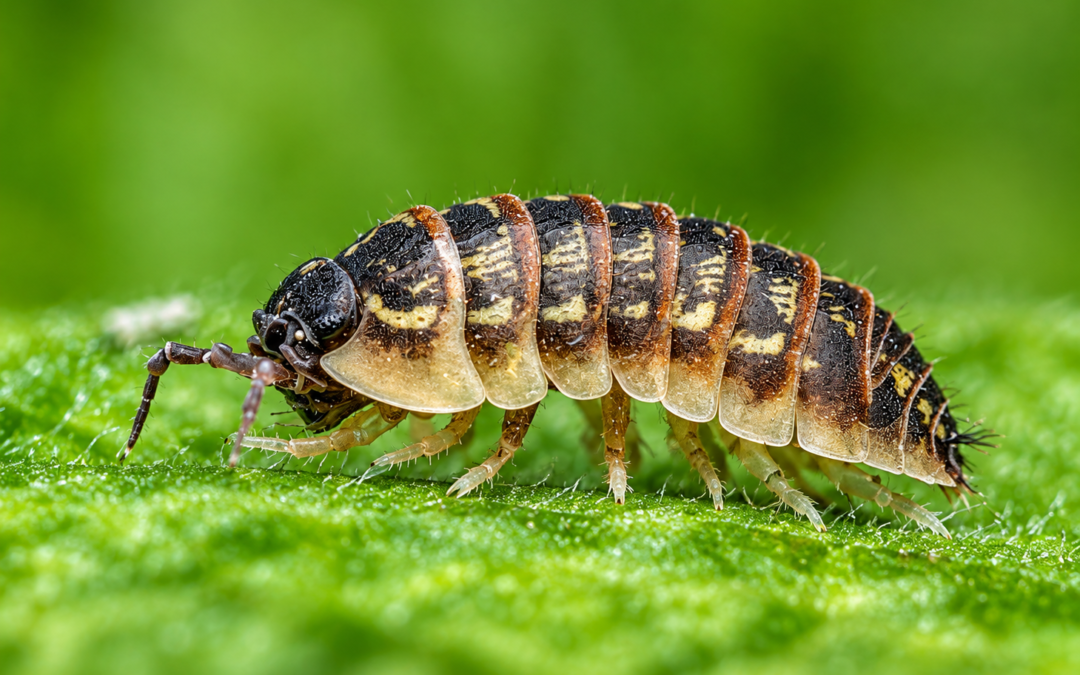
Most beginner-friendly isopod species breed readily on their own once basic care needs are met — you don’t need to do anything special to encourage it beyond keeping conditions stable.
Signs Your Colony Is Breeding
Female isopods carry fertilized eggs in a fluid-filled pouch called a marsupium, visible as a pale, swollen area on the underside. After several weeks, tiny white juveniles called “mancae” emerge and gradually darken as they mature.
What Encourages Breeding
- Stable humidity — inconsistent moisture is one of the biggest breeding disruptors
- Adequate calcium — necessary for both molting and reproductive health, see our feeding guide
- Minimal disturbance — frequent digging through substrate to check on isopods can stress a colony and slow breeding
- Sufficient colony size — very small starting colonies (under 10 individuals) take longer to establish breeding pairs
How Long Until You See Growth?
Most beginner species show visible population growth within 2-4 months of a stable setup. Faster-breeding species like Porcellio laevis (see our Dalmatian isopod guide) may show growth sooner.
When Breeding Slows or Stops
If your colony was breeding and then stalls, check for the common culprits: substrate too dry or too wet, calcium deficiency, or overcrowding. Review our common mistakes guide to rule out the usual causes.